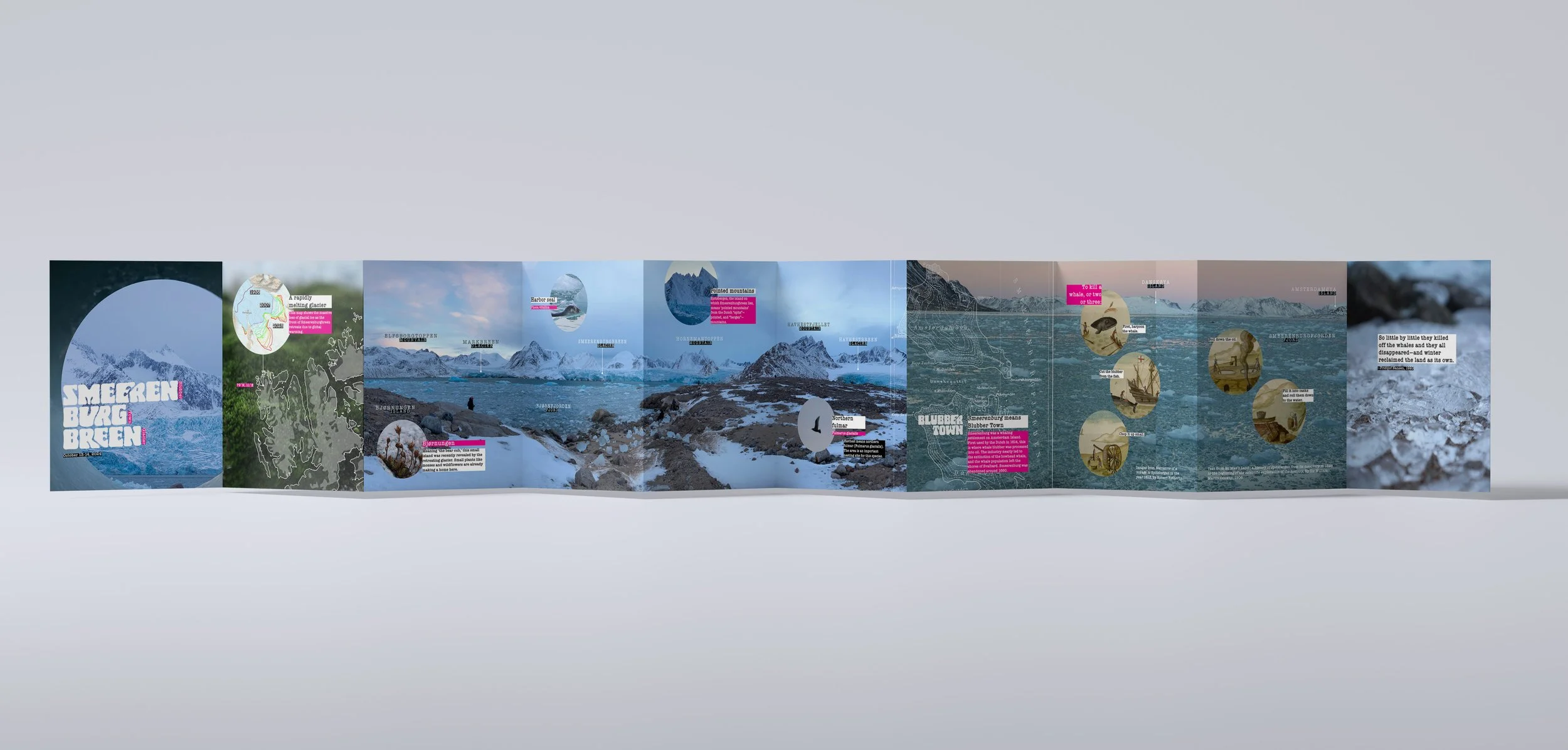
Smeerenburgbreen: The Blubber Town Glacier
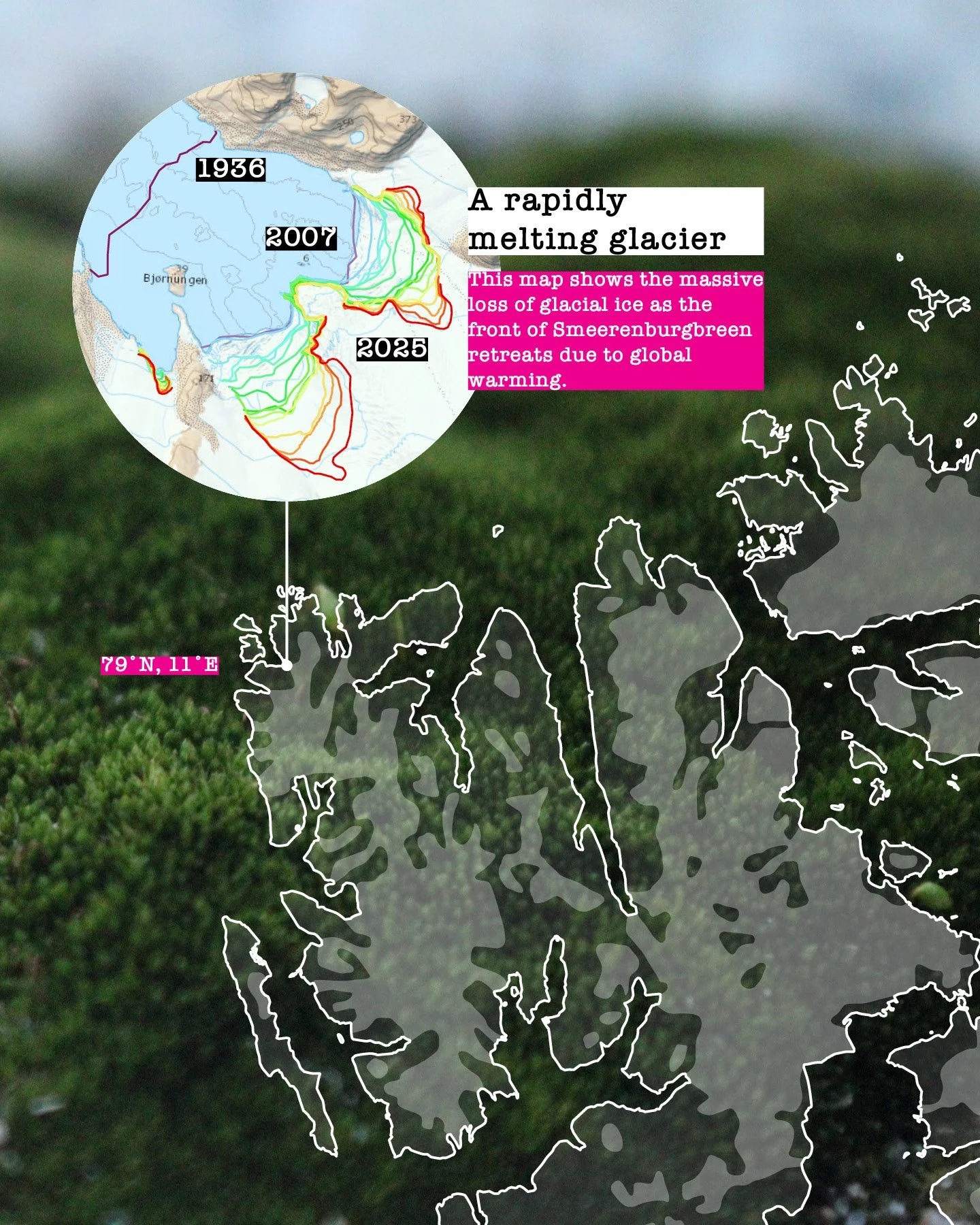
(79˚ N, 11˚E)
2025, Digital collage; Inkjet printed artist’s book in a handmade paper case and a social media carousel post
Book: 50x6 inches (open)
Social media post: 10 images, 1080x1350px each
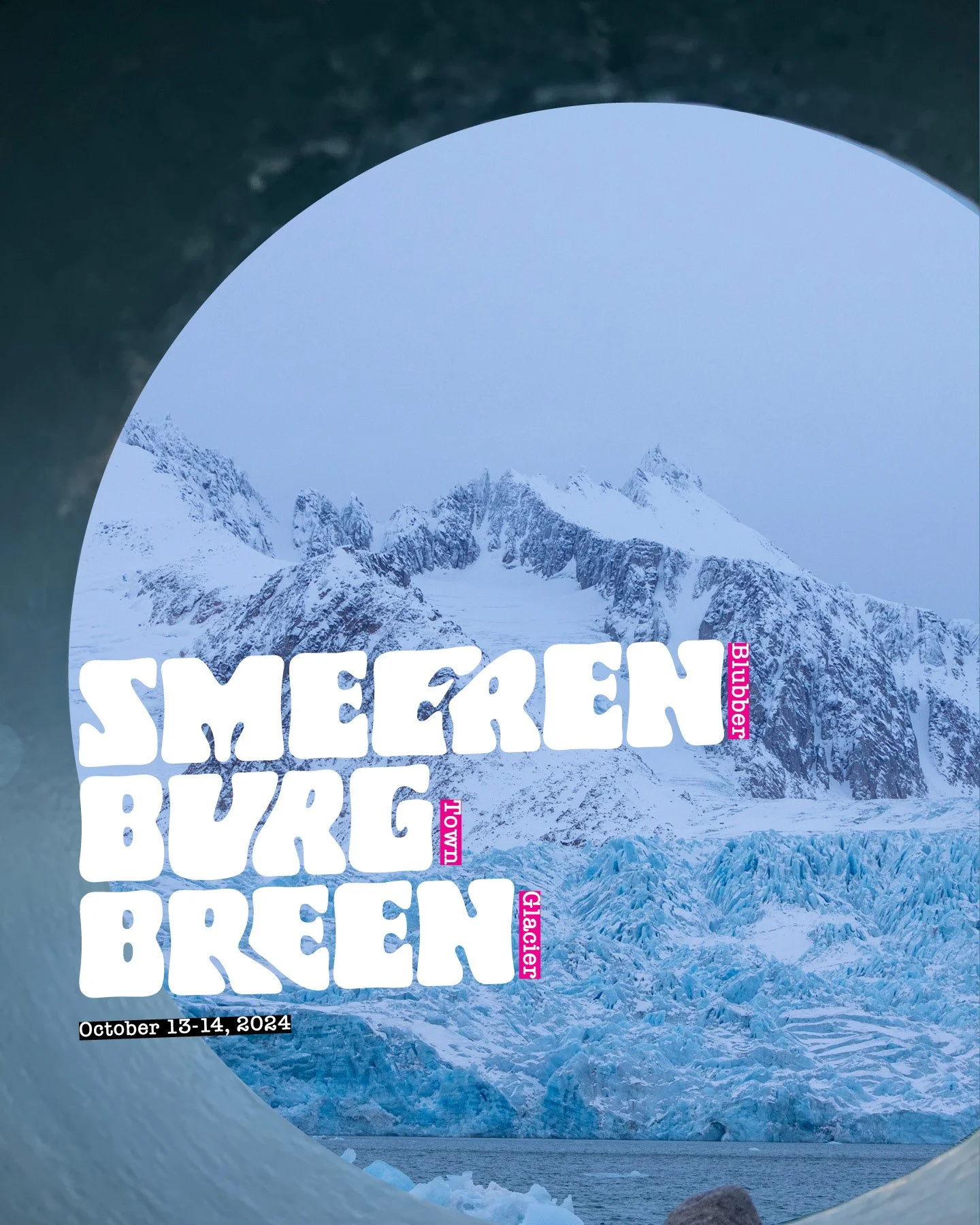
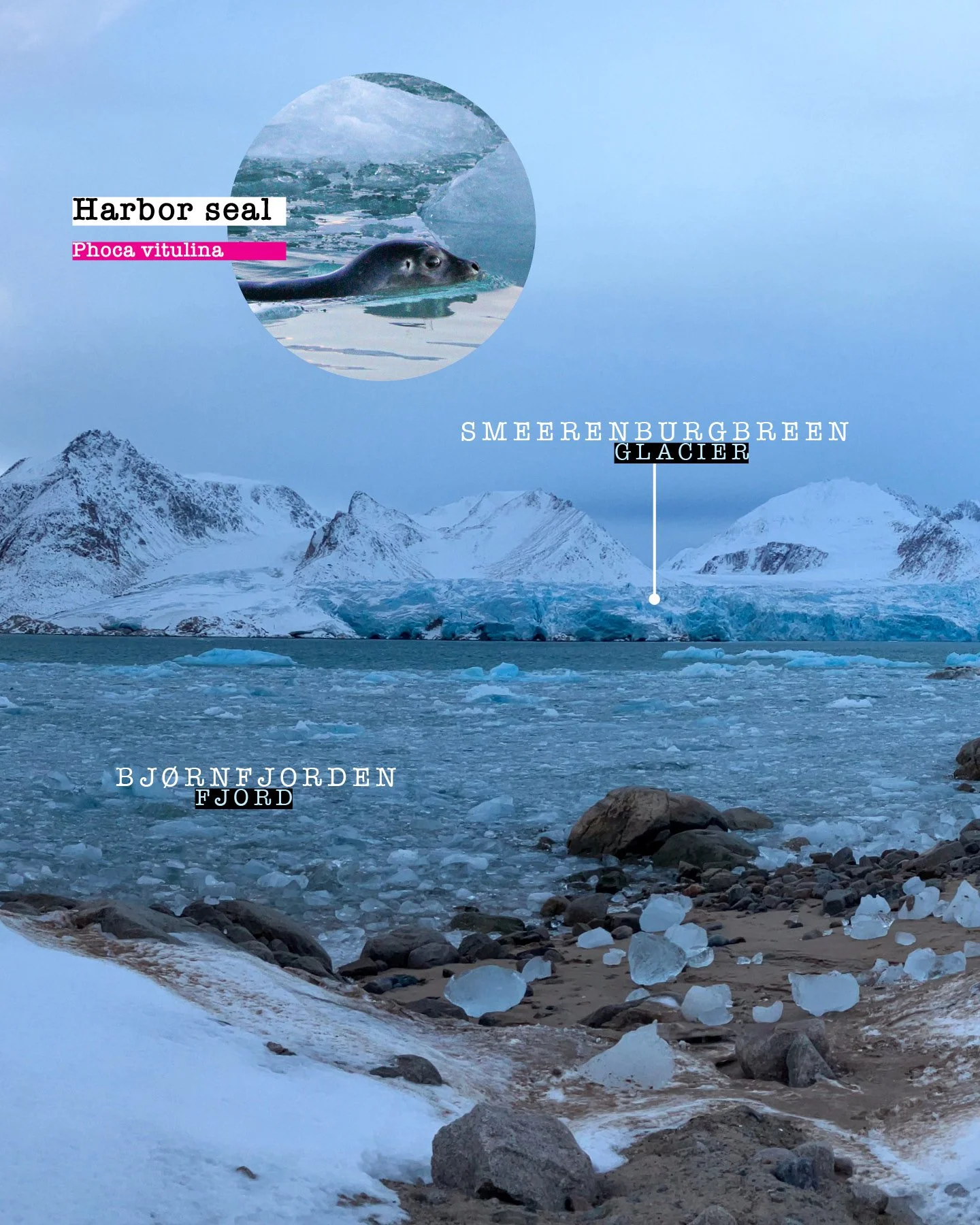
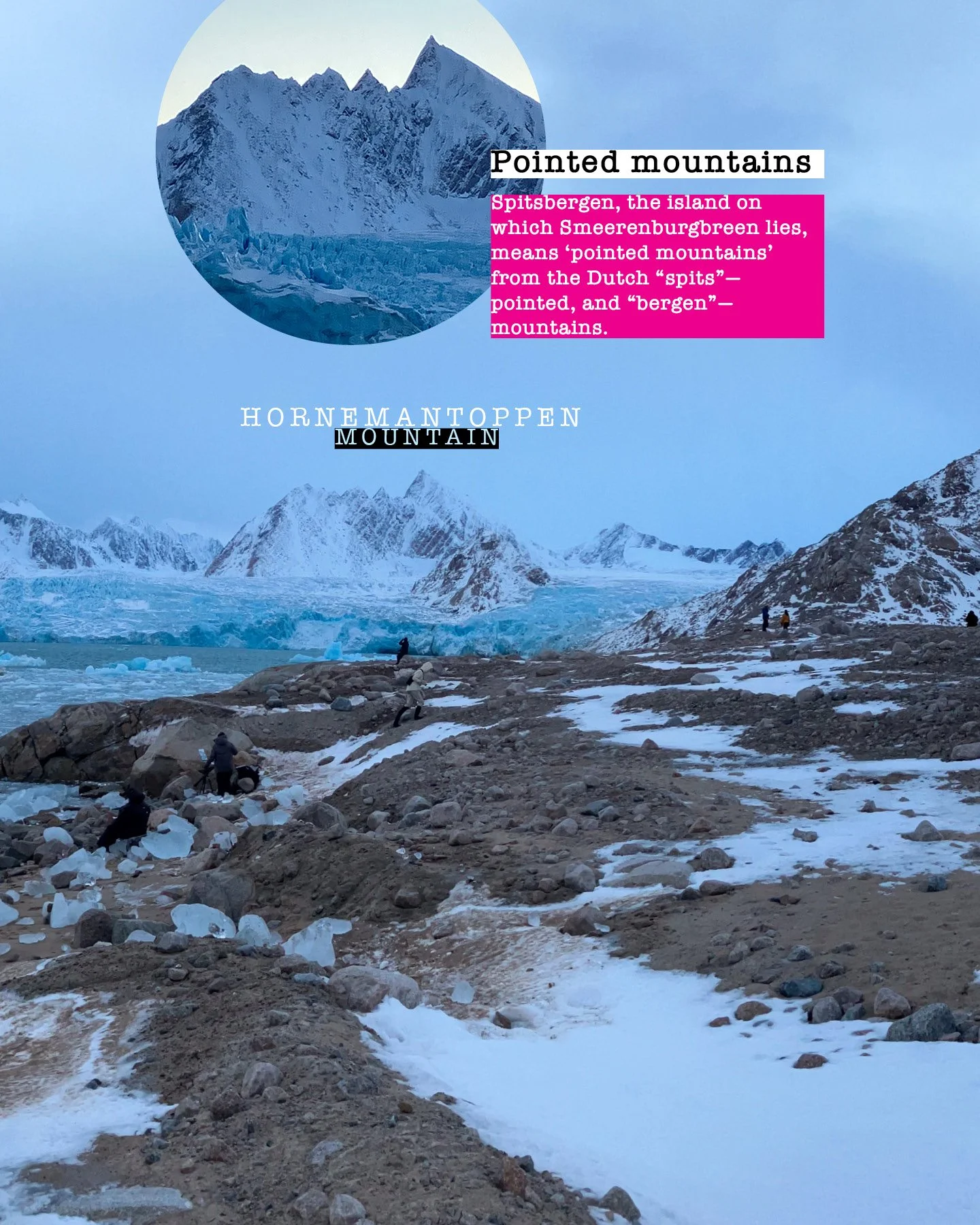
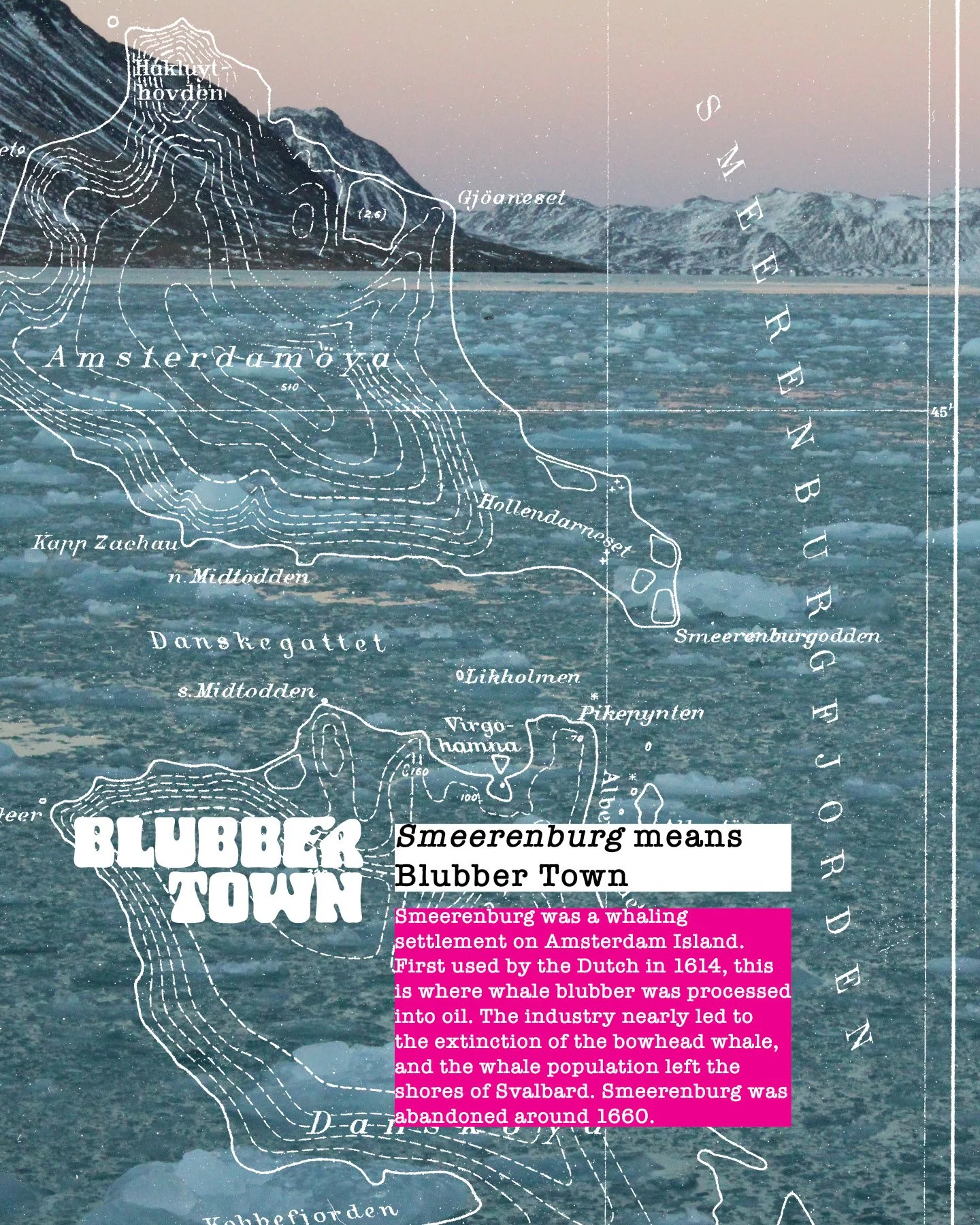
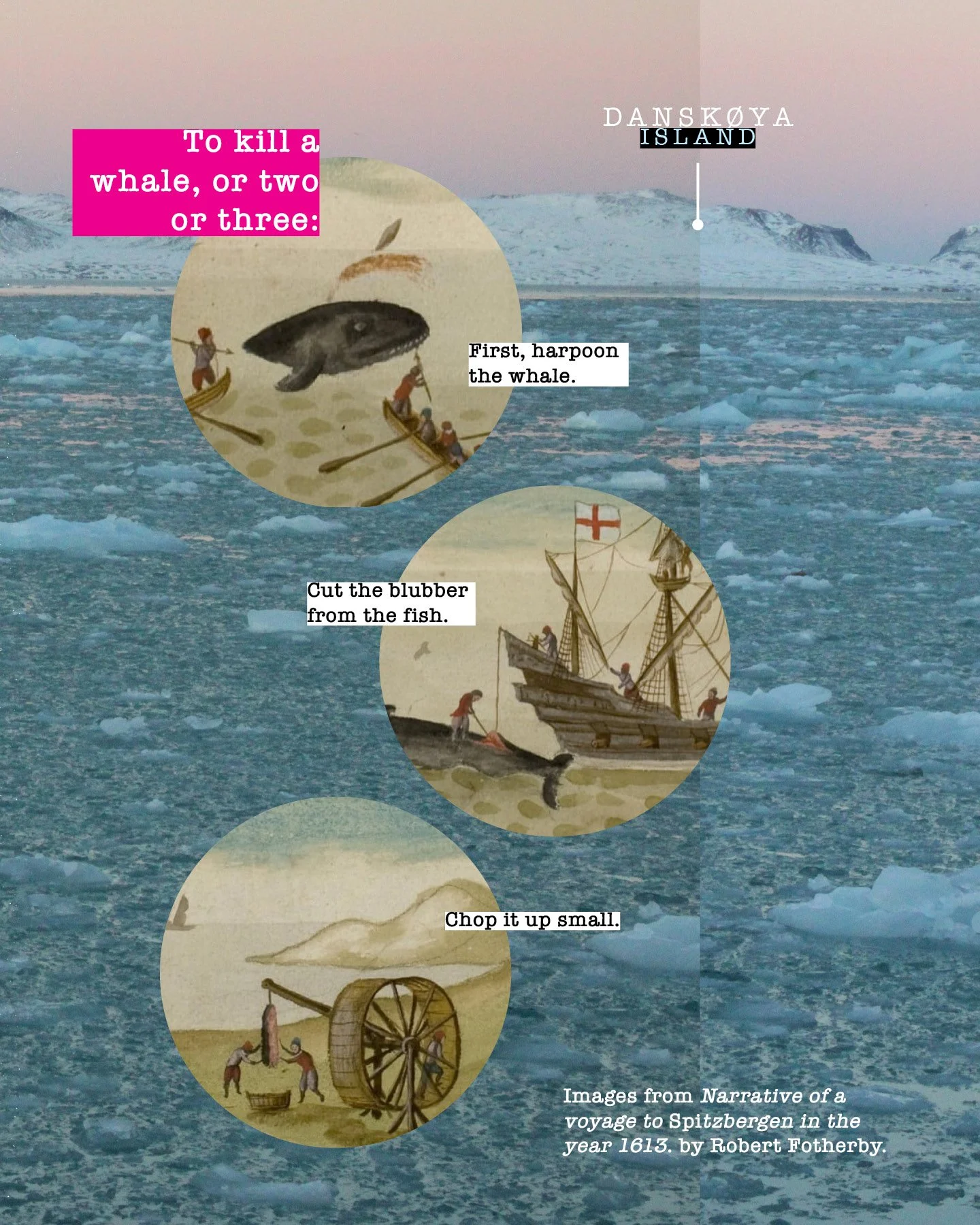
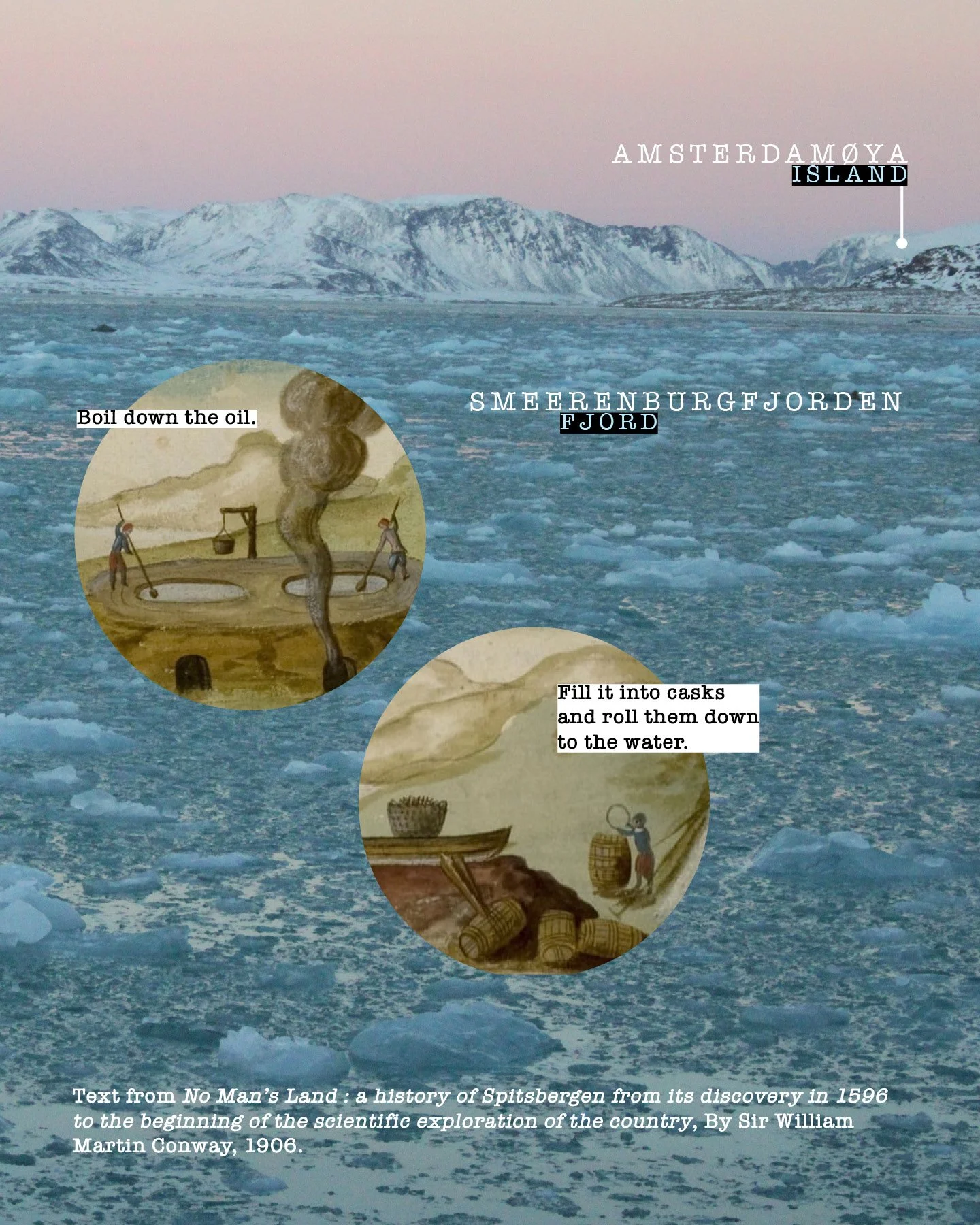
The Arctic Circle Art & Science Residency Autumn Expedition. October 13-14, 2025. We spent two days exploring the fjord near Smeerenburgbreen, which means the Blubber Town glacier, named for a nearby whaling station where blubber was once boiled down into oil and sent to Europe.
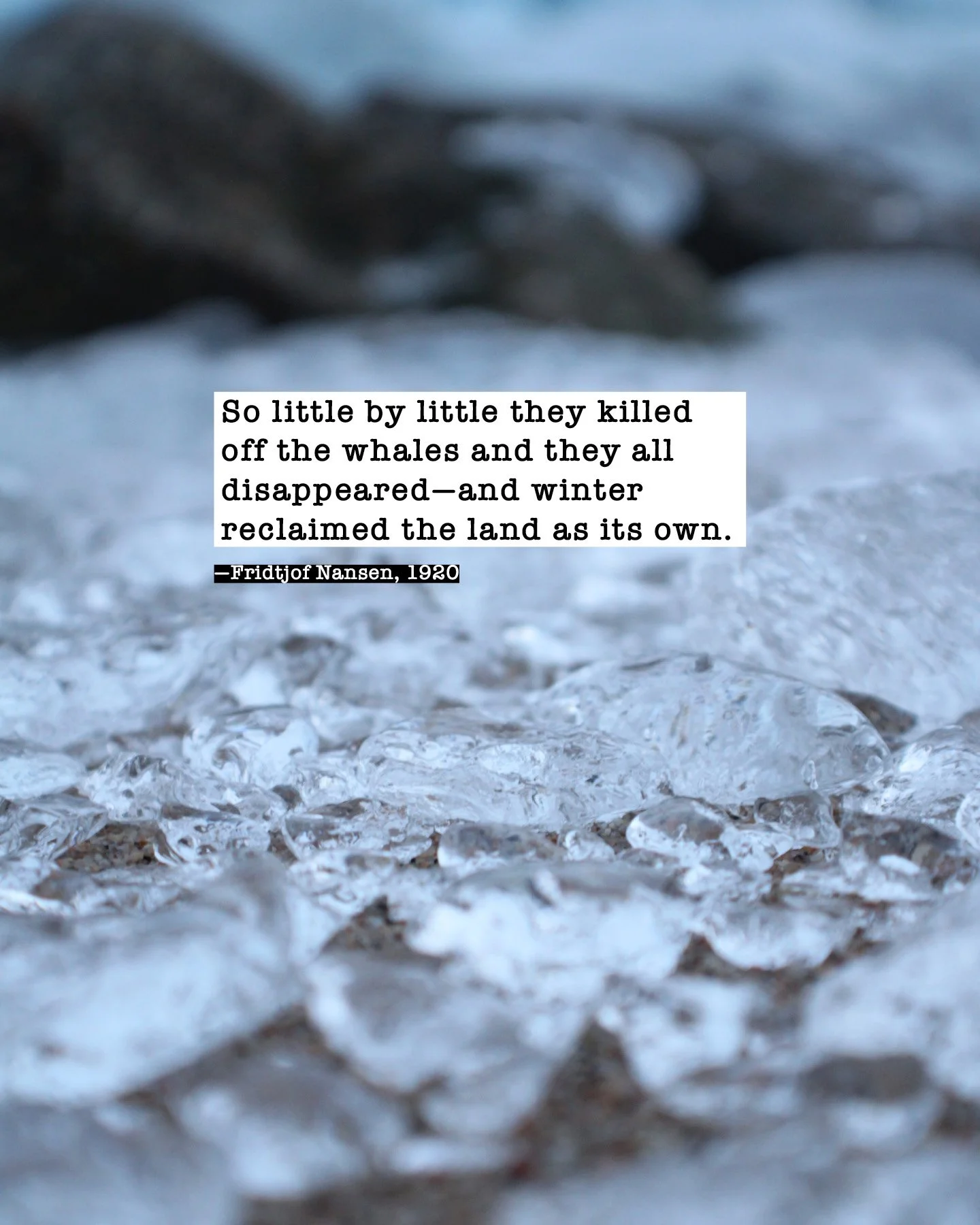
In the 17th century the whaling industry was so productive it led to the near extinction of the whale (and walrus) populations around Svalbard. Centuries later, other extractive industries have led to an excess of carbon in the atmosphere which is warming the Arctic archipelago seven times faster than the rest of the world. As a result, Svalbard’s glaciers are rapidly melting, contributing to sea level rise worldwide. Smeerenburgbreen is one of them.
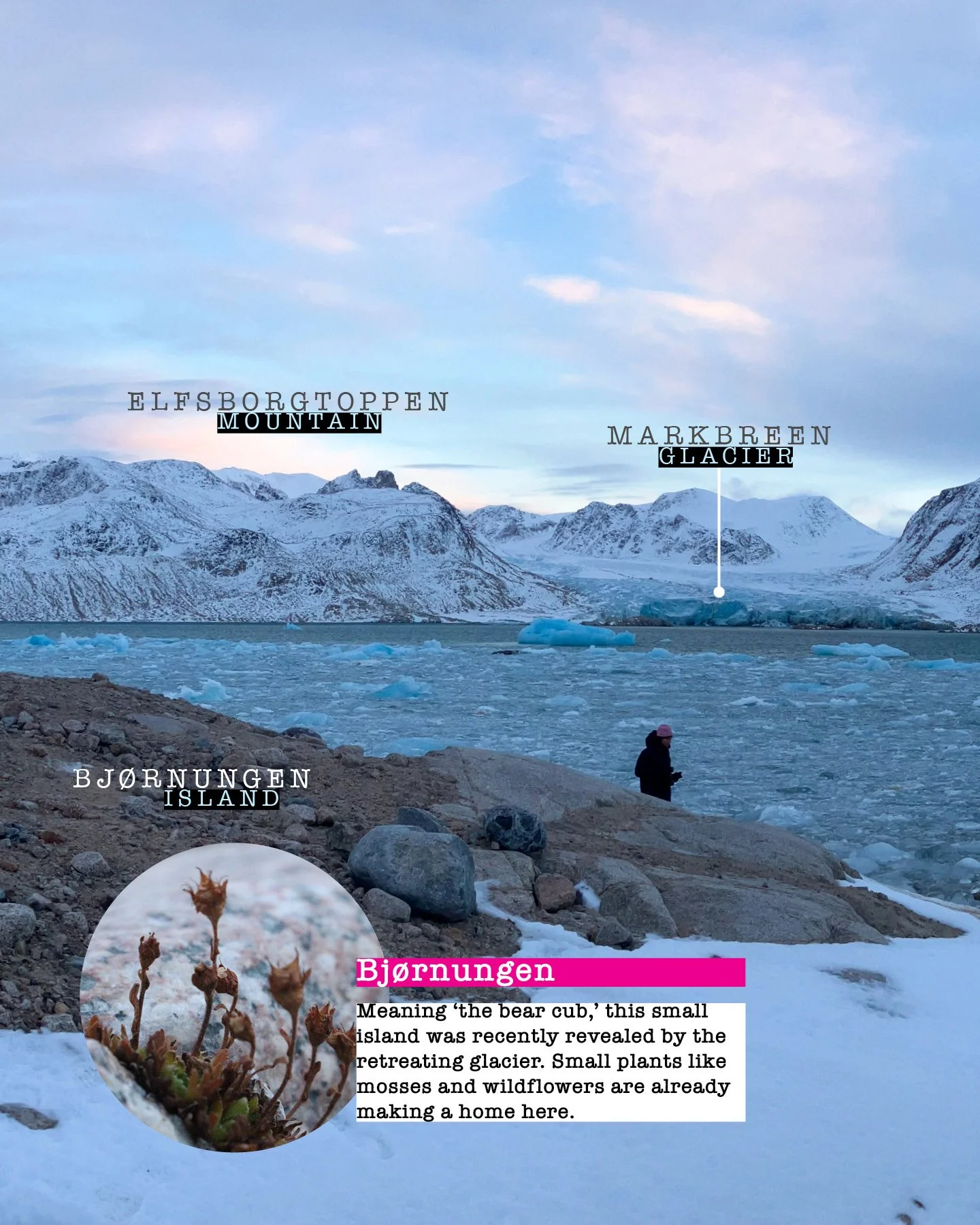
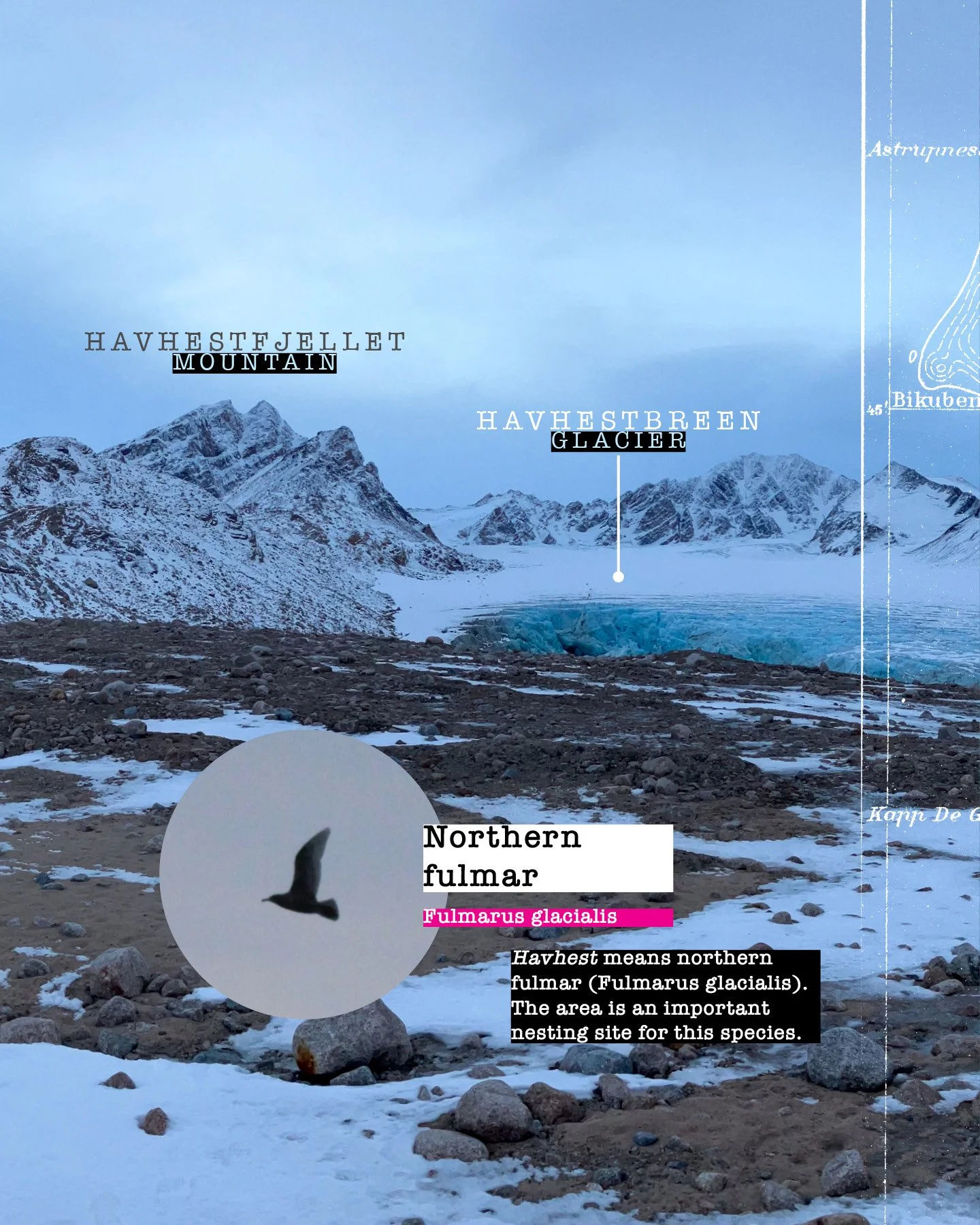
On our second day there, we spent time on a small island that was underneath the glacier less than 100 years ago. As I photographed the small plants that are now finding homes on the newly exposed rock, the glacier calved loudly across the fjord, sending waves of ancient ice to the shores of the nascent island, Bjørnungen, which means ‘the bear cub.’ Since then, the glacier has retreated even further toward the land, and the two glaciers that once merged into one over the fjord, have now spit into two fronts.
As we quickly pass dangerous ecological tipping points, we are not only losing this beautiful ancient ice and disrupting the ecosystems that depend on them, but gaining flooded coastal cities and extreme weather events around the globe.